Navigating Your Journey: Bryce Canyon to Zion
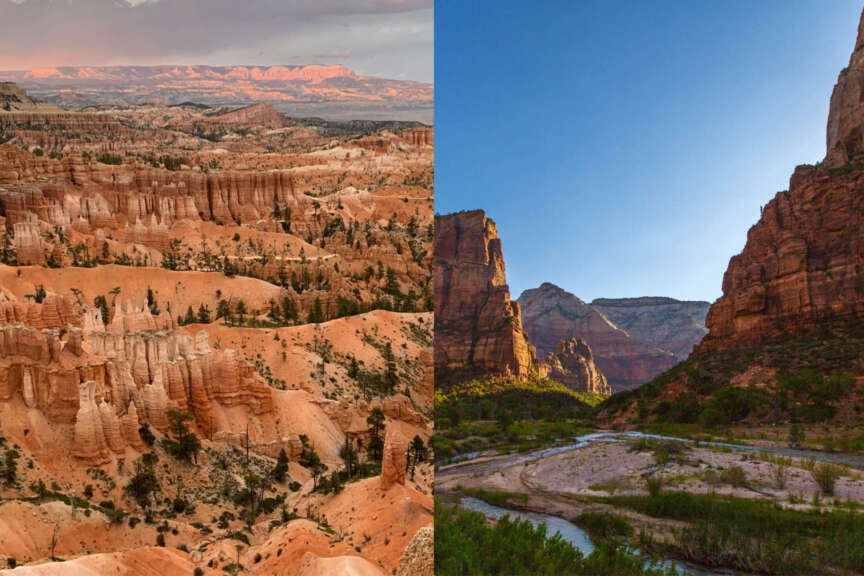
Upon experiencing the distinct geological formations of Bryce Canyon, the towering red cliffs of Zion National Park present a compelling next destination. This route through Southern Utah is renowned for its visual appeal and offers an iconic American Southwest driving experience. This guide aims to answer common questions and facilitate a seamless and spectacular journey from Bryce to Zion.
Distance and Driving Time
The distance between Bryce Canyon National Park and Zion National Park ranges from approximately 70 to 85 miles, depending on the specific route selected. The most direct and scenic route, detailed below, requires an estimated 1.5 of driving time with no stops.
Is it Possible to Visit Bryce and Zion in a Day?
While it is technically possible to visit a limited number of highlights in both parks within a single extended day, this approach would only give a small taste of each. To fully appreciate the unique characteristics of each park and allow for hiking or true discovery, a minimum of 1-2 full days is recommended for Bryce Canyon, and 1-3 full days for Zion National Park.
The Most Scenic Route from Bryce to Zion
The optimal and most scenic route begins on Highway 63 North from Bryce Canyon. Turn left onto scenic Highway 12 West, which subsequently connects to US-89 South. Finally, turn right onto UT-9 West, leading directly into Zion National Park through the East Entrance.
This route provides a diverse visual experience, transitioning from the high-elevation forests and hoodoos of Bryce to the dramatic canyon landscapes of Zion. The drive is inherently scenic, characterized by notable elevation changes, varied geological formations, and expansive vistas. As the descent from Bryce’s higher plateau occurs, a discernible shift in vegetation and rock formations becomes evident, contributing to a dynamic journey.
Points of Interest Along the Route
Despite the relatively short driving distance, several notable stops enhance the journey:
Red Canyon (Dixie National Forest): Situated just before Bryce Canyon (or shortly after, when approaching from Zion), Red Canyon offers a “mini-Bryce” experience. It features vibrant red rock formations and hoodoos, complemented by accessible hiking trails such as the Birdseye Trail. There is no entrance fee, making it an excellent precursor or conclusion to your national park visits. The route also includes iconic tunnels carved into the red rock.

Dixie National Forest: This segment of the drive showcases the contrast between verdant pine forests and the red sandstone cliffs.
Zion-Mount Carmel Tunnel: This historic, mile-long tunnel represents a significant engineering achievement. Important Note: Large vehicles, including RVs, typically require an escort and may be subject to specific operating hours and fees. Consult the National Park Service (NPS) website for current restrictions and schedules.
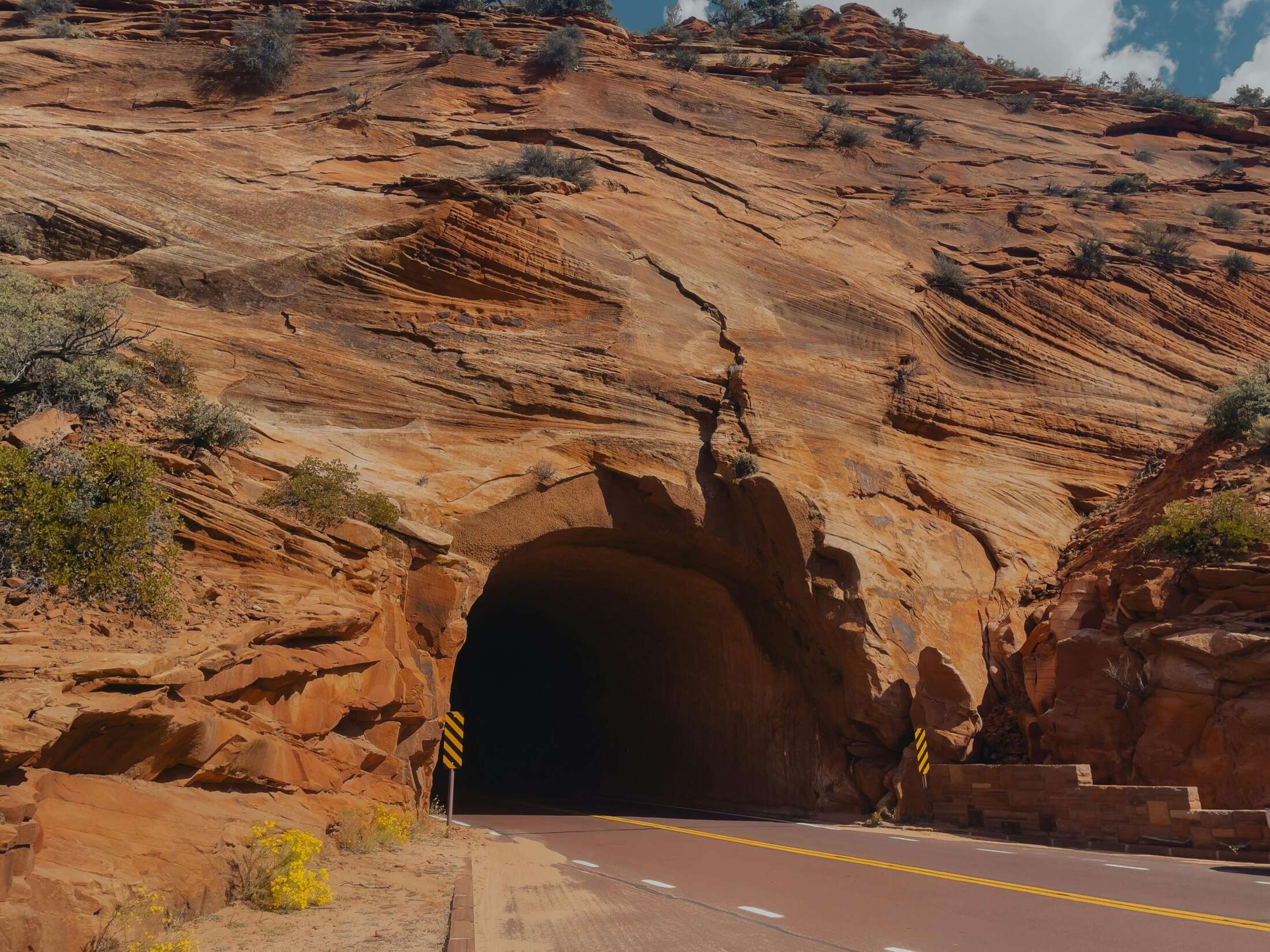
Checkerboard Mesa: Located immediately outside the Zion-Mount Carmel Tunnel on the east side, Checkerboard Mesa is a distinctive sandstone formation characterized by a cross-hatch pattern resulting from wind and water erosion.
When is the best time to visit Bryce Canyon and Zion?
The drive from Bryce to Zion is picturesque throughout the year, but several factors warrant consideration:
Spring (March-May): Characterized by milder temperatures, blooming wildflowers, and fewer crowds than summer. Ideal for hiking.
Summer (June-August): Long, warm days are conducive to outdoor activities. However, this is the busiest period with the largest crowds, and brief afternoon thunderstorms are common.
Fall (September-November): Cooler temperatures, vibrant fall foliage (particularly in Zion), and decreasing crowds. An excellent time for hiking.
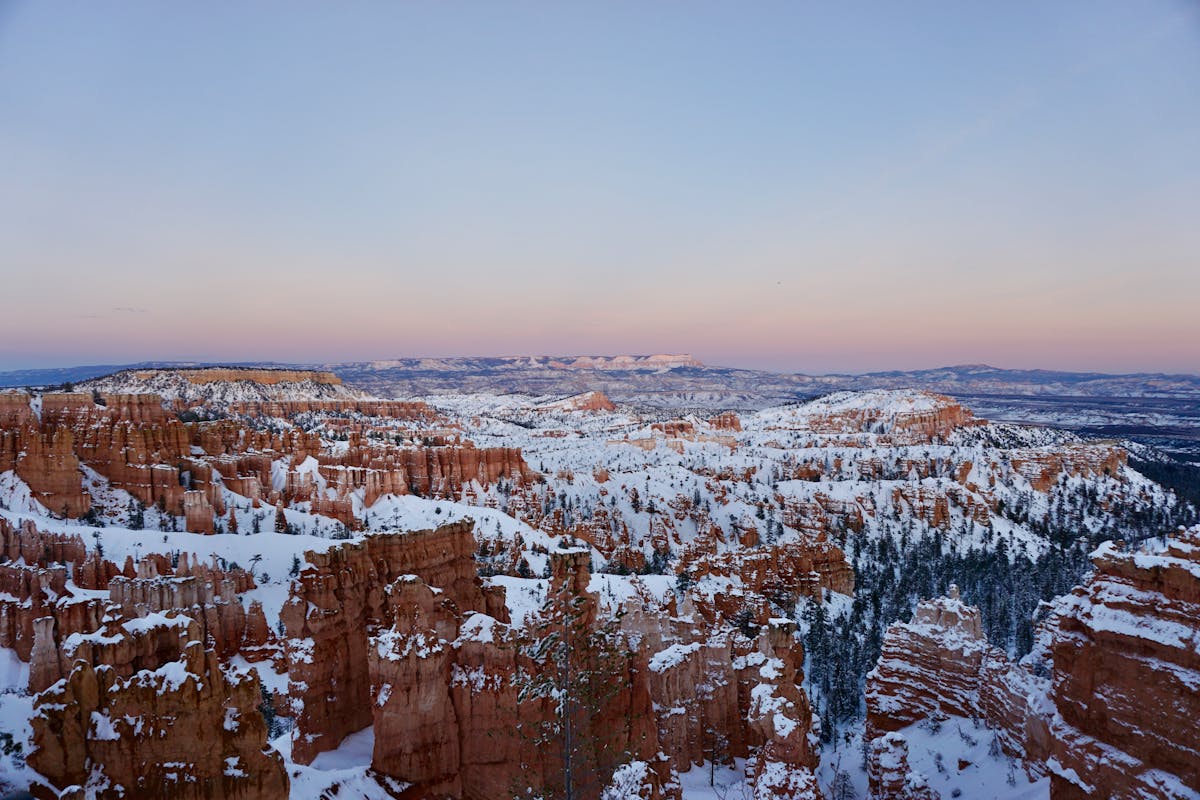
Winter (December-February): Significantly reduced crowds and a unique, tranquil atmosphere. However, temperatures are cold, and snow or ice are possible, especially at Bryce’s higher elevation. Road conditions, particularly for the Zion-Mount Carmel Tunnel, should be verified prior to winter travel.
Planning Your Journey
Book Accommodations in Advance: Lodging within and surrounding both parks, such as Ruby’s Inn near Bryce Canyon or hotels in Springdale for Zion, typically fills quickly, especially during peak season.
Entrance Fee: What are the National Park entrance fees for Bryce Canyon and Zion? Currently $35/vehicle for each, or consider the America the Beautiful Pass which will get you into both parks.
Park Apps & Websites: Download the official NPS applications for Bryce Canyon and Zion, and consult their respective websites for the most current information on shuttle schedules, road conditions, trail closures, and ranger programs.
Hydration and Preparedness: Southern Utah is a desert environment. Carry ample water, use sun protection, and dress in layers. Be aware of weather changes and potential flash flood warnings in Zion.
The journey from Bryce Canyon’s distinctive hoodoos to Zion’s imposing sandstone cliffs offers an unparalleled experience. With meticulous planning and this guide, you are prepared to embark on an extraordinary adventure through some of America’s most remarkable landscapes.
Is There Lodging Near Bryce Canyon?
Ruby’s Inn: Your Strategic Base for Bryce & Beyond
For travelers initiating their Southern Utah adventure at Bryce Canyon and continuing to Zion, Ruby’s Inn in Bryce Canyon City serves as an optimal accommodation choice, enhancing the overall experience.
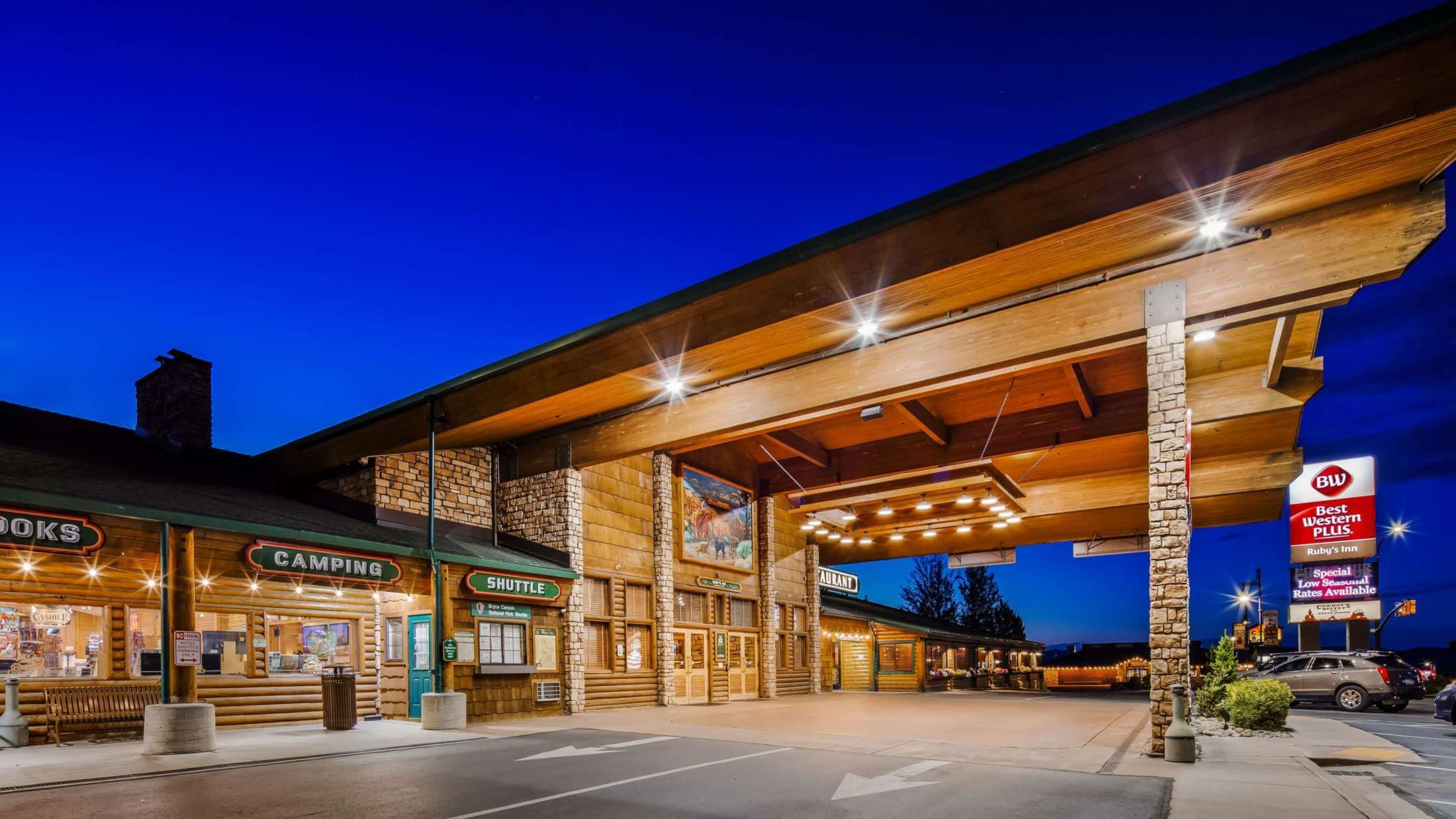
Key advantages of selecting Ruby’s Inn:
Unrivaled Proximity to Bryce Canyon National Park: Ruby’s Inn is situated merely one mile from the entrance of Bryce Canyon National Park. This minimizes travel time, maximizing opportunities to explore the hoodoos and easily access sunrise and sunset viewpoints without extensive commuting.
Direct Access to the Bryce Canyon Shuttle: A significant benefit of Ruby’s Inn is the presence of an official Bryce Canyon National Park shuttle stop on its property. This eliminates the need to contend with limited parking within the park during peak seasons. Guests can park at Ruby’s and utilize the free park shuttle for direct transport to major viewpoints and trailheads along the Bryce Amphitheater, reducing stress and enhancing enjoyment.
Comprehensive Resort Amenities: Ruby’s Inn functions as a self-contained destination, offering a wide array of amenities and services on-site, negating the need for off-property travel for essentials or entertainment.
Diverse Lodging Options: Accommodations range from standard hotel rooms to cabins, an RV park, and a campground, catering to various traveler preferences and budgets.
On-Site Dining: Multiple dining establishments provide options for breakfast, lunch, and dinner, allowing guests to refuel without leaving the property.
Recreational Activities: Ruby’s Inn offers Old West-themed activities such as horseback riding tours, ATV excursions, and seasonal rodeos. An indoor pool, hot tub, and general store are also available.
Historical Significance: With over a century of operation since 1916, Ruby’s Inn has a rich history of serving Bryce Canyon visitors. This extensive experience ensures a deep understanding of traveler needs in this unique region.
By choosing Ruby’s Inn, travelers secure not just a room, but a conveniently located, amenity-rich, and historically significant hub that optimizes their visit to Bryce Canyon National Park and sets the stage for an unforgettable journey through Southern Utah’s national parks, including the continuation to Zion National Park.
FAQ
Do I need reservations to enter Zion or Bryce Canyon?: No you do not.
Where should I fly into for Bryce and Zion?: Las Vegas and Salt Lake City are the most common options, Bryce Canyon also has a small airport.
What kind of clothing and gear should I pack?: No matter the season, be sure to pack layers, sturdy hiking shoes, sun protection, and water bottles.
Are there restrooms/water refill stations in the parks?: Yes, at visitor centers and shuttle stops.
Can I bring my dog/pets to Bryce and Zion?: There are a very limited number of pet-friendly trails for leashed pets, mostly paved paths.
Is there cell service in Bryce and Zion?: Reception can be spotty in certain areas, be sure to download any maps when necessary.
What are the best viewpoints in Bryce Canyon?: Sunrise, Sunset, Inspiration, Bryce Point, Paria View, Rainbow Point.
What are the best viewpoints in Zion?: Canyon Overlook Trail, The Watchman, Pa’rus Trail views.
Can I bike in Bryce Canyon/Zion?: Yes, on paved trails such as the Pa’rus Trail in Zion and the paved path in Bryce leading to Inspiration Point.